



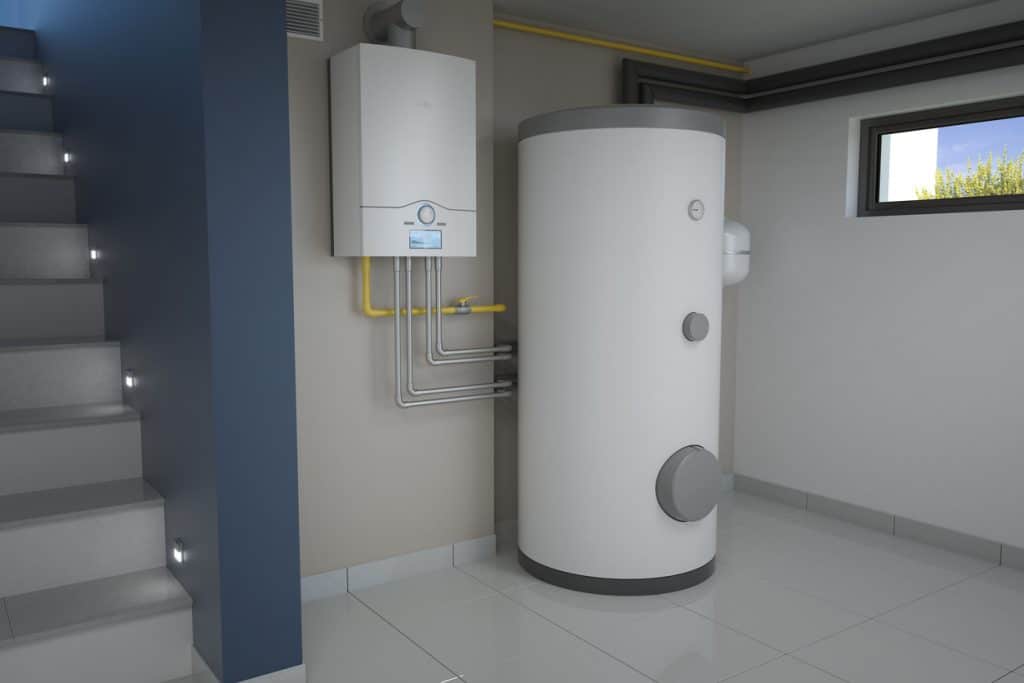
Water heaters are an essential aspect of modern life and represent as much as 20% of the average household’s annual energy consumption. Let’s explore some of the negative aspects of sustainability and what the industry and consumers are doing to offset them.
Con: Standby Energy Losses
The main downside to the traditional water heater is that it must expend energy heating water and maintaining that water for eventual use. Accurate tank sizing is essential, as an oversized tank will lead to excessive standby energy losses. Consumers can help mitigate such losses with insulation on the hot water pipe. Fuel-fired systems generally lose heat energy through the flue. Electric systems can lose it through the tank walls instead. For that reason, you can often reduce losses through the use of a water heater jacket and insulated base.
Pro: Tankless Water Heaters
On-demand water heaters have made water heating more sustainable in general. That’s because they only heat water on demand. There’s no need to store water and therefore no standby energy losses. In fact, tankless systems open up the option to oversize the system, such as to have added capacity for the holidays, without creating a negative environmental impact.
Con: Water Hardness
Water hardness is a common problem for residential properties throughout the U.S. Hard water is high in calcium, magnesium, and other mineral content. Those minerals leave behind a scale that undermines sustainability in several ways. The effects of pressure and temperature cause a water heater to use more energy moment to moment. Scale accumulation also increases maintenance requirements, makes repairs more common, and shortens the lifespan of water heaters, which makes them less sustainable.
Pro: Water Softening Solutions
Traditionally, the industry combatted water hardness exclusively through sacrificial anode rods, but there are more sustainable options. Households with moderately hard water can install local anti-scale devices that mitigate scale formation in an energy-efficient manner. Households with hard water can lower their overall energy usage and save in other ways with a whole-house water softener, which will protect pipes, fixtures, and other water-using appliances.
Pros and Cons: Electric, Fuel, and Solar
Electric water heaters are technically more efficient than fuel-fired systems but have a greater environmental impact. You now have the option of heat pump water heaters that move heat energy rather than generate it. That puts electric tank water heaters in line with other sustainable options, including tankless water heaters. Among fuel-fired water heaters, you can have a condensing system that mitigates heat losses through the flue. That increases efficiency by 10% or more. Solar water heaters, and hybrid systems in particular, are becoming more prevalent and are arguably the most sustainable options of all.
The Plumber AZ is the premier choice for water heater services in Mesa, AZ; to schedule service or a replacement consultation, call today or contact us online.