





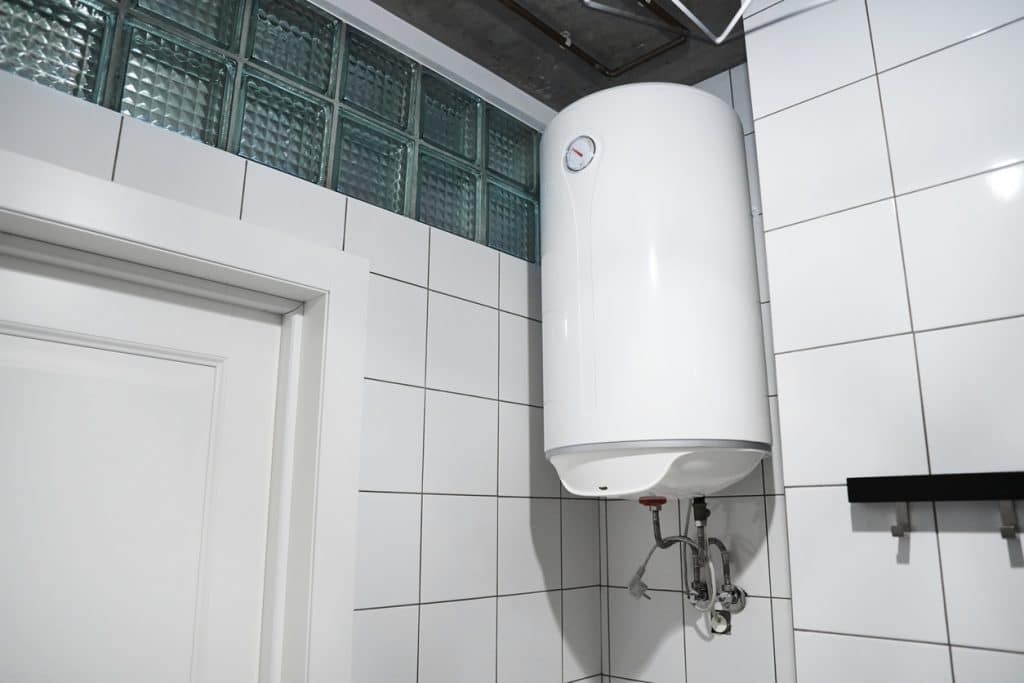
While you might not regularly worry about the risks of running your water heater as you go about your daily routine, the reality is that this important appliance can be hazardous. Your ability to protect your family from illness, burns, and other issues begins at the installation of your water heater. Continued cleaning and maintenance efforts are equally vital. Here are the essential water heater safety tips to protect yourself and your family.
Choose the Best Location
Regardless of where your water heater is installed in your home, it’s critical that the area has adequate ventilation. Ventilation to the outside greatly reduces the risk of carbon monoxide poisoning related to a malfunctioning water heater. Keep in mind that you won’t be able to detect carbon monoxide gas without a special sensor. This is because it’s a clear, odorless gas.
Use the Right Thermostat Setting
Some people nudge the water heater thermostat setting upward because they don’t want to run out of hot water or they like their showers to be a bit hotter than what might be considered normal or average. In some cases, the thermostat dial is bumped accidentally, such as if you’re moving stored items around in the basement or garage. When the thermostat setting is greater than 120 degrees Fahrenheit, you’re at a greater risk of being scalded. This is an especially important concern if there are young children living in your home. Because of the chance of an accidental dial nudge, get in the habit of checking the thermostat regularly.
Keep the Area Clear
Your water heater can emit a lot of heat as it does its important job of delivering warm water to your home. Often, water heaters are installed in a garage or basement, which may also be used to store paint, cleaning chemicals, gasoline, and other combustibles. When combustible materials get too hot, they pose a serious safety risk to everyone in the home. To prevent fires and explosions, store all combustible materials at least 18 inches away from your hot water heater.
Schedule Annual Maintenance
Your water heater’s T&P valve plays the critical role of moderating pressure inside the tank. A faulty pressure release valve allows pressure in the tank to build up to an extreme level, and this makes the chance of an explosion more likely. During the recommended annual maintenance service, your plumber will check the water heater’s valve, look for leaks, identify rust and mildew, clean the tank, and test for carbon monoxide. If you have concerns or require water heater services, contact The Plumber AZ in Mesa, AZ.