




Your water heater works hard every day, and most of the time you probably don’t give it a second thought. Hot water is there when you need it. But behind the access panel and beneath the surface of the tank, corrosion may be doing damage that chips away at your unit’s lifespan year after year. Understanding how corrosion works and what feeds it can help you get the most out of your water heater before it calls it quits.
What Corrosion Actually Means for Your Water Heater
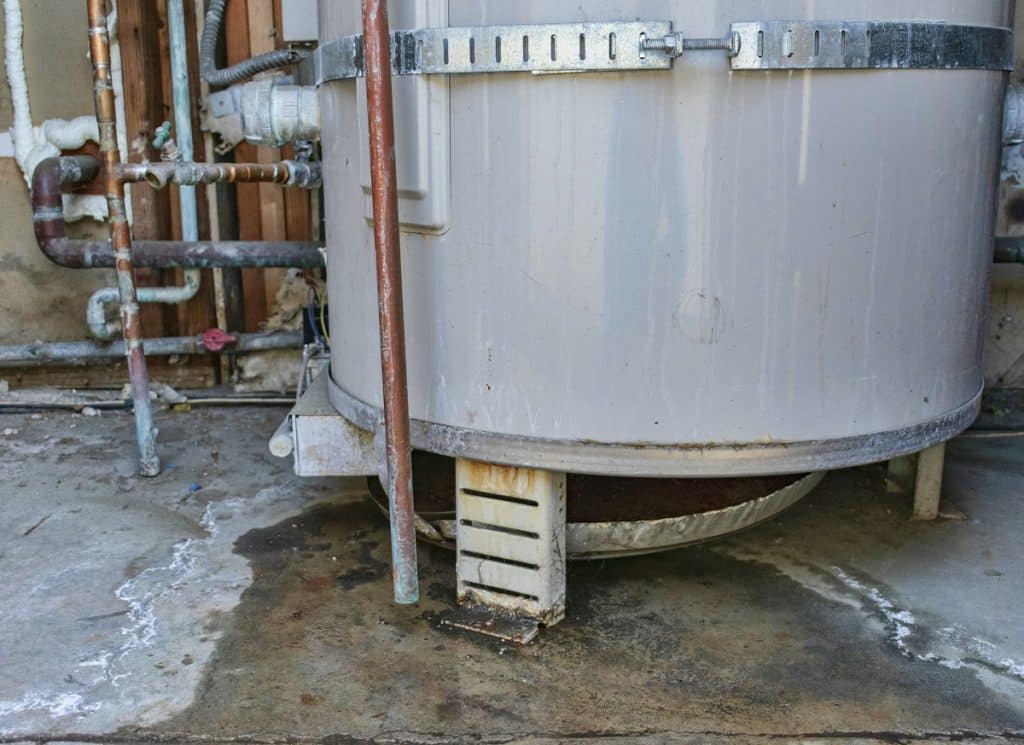
Corrosion is the gradual breakdown of metal through chemical reactions, usually involving water, oxygen and dissolved minerals. Inside a water heater tank, these ingredients are always present. Over time, they work together to rust and weaken the steel lining of the tank, degrade internal components and eventually compromise the unit’s ability to function safely and efficiently. A corroded water heater doesn’t just underperform. It can leak, fail suddenly or in extreme cases, create safety hazards.
The Role of Sediment Buildup
Hard water is one of the biggest contributors to water heater corrosion. As water is heated, dissolved minerals like calcium and magnesium settle at the bottom of the tank in a layer of sediment. That sediment acts as insulation between the burner and the water, forcing your unit to work harder and run hotter to reach the desired temperature.
The excess heat accelerates the breakdown of the tank lining and the anode rod, speeding up the corrosion process. If you’ve ever heard popping or rumbling sounds coming from your water heater, that’s often sediment being disturbed during heating cycles.
What the Anode Rod Does
You’ve probably never heard of an anode rod, but it’s one of the most important components in your water heater. This metal rod is designed to corrode so that your tank doesn’t have to. It attracts the corrosive elements in your water and protects the steel tank walls.
The problem is that anode rods don’t last forever. Once the rod is fully depleted, there’s nothing left to absorb the corrosive activity, and the tank itself becomes the target. Inspecting and replacing the anode rod every few years is a cost-effective way to extend your water heater’s life.
Signs That Corrosion Is Already Taking Hold
Corrosion damage usually isn’t noticeable at first. Watch for discolored hot water coming from your taps, a metallic taste or smell in your water, visible rust on the outside of the tank or around connections and a noticeable drop in heating efficiency. Any one of these can indicate that corrosion is present in your water heater.
You can’t stop corrosion entirely, but there are things you can do to slow it down significantly. Flush the tank annually to remove sediment buildup and check and replace the anode rod on schedule. You should also keep the temperature set to around 120 degrees Fahrenheit. These are all practical steps that add years to your unit’s lifespan. If you’re unsure about the condition of your water heater, call The Plumber AZ in Mesa, AZ to schedule an inspection.